Your Councillors by Party
The City of London is divided into 25 wards. Each ward elects one Alderman and two or more Common Councillors (collectively referred to as Members, equivalent to councillors), dependent on its population. There are currently 100 Common Councillors and 25 Aldermen serving as elected representatives, representing public interest and informing how the City of London Corporation should carry out its various activities.
Common Councillors are elected every four years to serve on the City Corporation’s committees. The next Ward elections are due to take place in March 2025. Between two and ten councillors are elected to represent each of the City Corporation’s 25 Wards, dependent on the size of the electorate. They work alongside the Aldermen, of which there are 25 (one per Ward), to oversee the work of the City Corporation and the delivery of a diverse range of services to residents, City workers and visitors.
Aldermen have jurisdiction over their Wards and for centuries each Ward has elected one Alderman. Whilst full City-wide elections are held every four years for Common Councillors, the Aldermen are elected as and when their individual six yearly terms of office expire. The Aldermen are members of the Court of Aldermen, from which future Sheriffs and Lord Mayors of the City of London are selected. Whilst the Court of Aldermen is focused on progression to and support for the Mayoralty, they also oversee the creation of new Livery Companies and Guilds and maintain a historic link to the Livery. They also serve on Common Council committees, act as governors and trustees of a variety of schools, hospitals, charitable foundations and trusts with ancient City connections. Aldermen are elected for six years from their date of election, so there is no single date on which they are elected.
The work of the City Corporation is overseen by the Court of Common Council (comprising of Common Councillors and Aldermen) and certain key decisions are taken by that body. The majority of the City Corporation’s work is, however, carried out through various committees which are established by the Court. Each councillor has an opportunity to serve on a number of committees made up of representatives from each of the various 25 wards. These are known as Ward Committees and they have broad responsibilities, including oversight of the City Corporation’s finances, planning & transportation, community & children’s services, port health & environmental services; and culture, heritage and libraries responsibilities. The councillors from each individual Ward agree among themselves who will serve on these committees but there are also opportunities to be elected to them. In addition, there are also a number of committees that are elected by the Court. The work of these committees is wide-ranging and includes, for example, the City Corporation’s police authority work, policy and resources, the running of the Barbican Centre, and the City’s open spaces.
In terms of the political composition of the Court of Common Council, the majority of councillors have not been elected on a party political basis and their political status is therefore listed as Independent. The Chairman of the Policy and Resources Committee is also a senior member of the Court of Common Council and is a member of the Leaders’ Committee of London Councils, which comprises the lead councillors from across the London Boroughs. The main difference from standard local authority governance is that the City Corporation’s decision making is based on a committee structure, rather than a cabinet system whereby the Leader of a Council and Executive Members are the principle decision-makers.
Not all of the councillors in the City of London hold surgeries. For those that do not, they are contactable on a more ad hoc basis – please use the links below to contact your local councillor. On the committee-related webpages you will see reference to Chairmen, Chairs, Deputy Chairmen and Deputy Chairs. Because Diversity and Inclusion are important to the City Corporation, those Members serving in these positions are given the opportunity to decide how they would like to be addressed.
Not specified
-

Joanna Tufuo Abeyie MBECornhill
-

George Christopher AbrahamsFarringdon Without
-
Tana Adkin KCCastle Baynard
-
Munsur AliPortsoken
-

Samapti BagchiPortsoken
-

Shahnan BakthColeman Street
-

Jamel BandaCordwainer
-

Brendan BarnsFarringdon Within
-
Alexander Robertson Martin Barr (Alderman)Cordwainer
-

Matthew BellFarringdon Within
-

The Honourable Emily Sophia Wedgwood Benn, DeputyBread Street
-
Nicholas Michael Bensted-Smith JPCheap
-

Christopher Paul Boden, DeputyCandlewick
-
Keith David Forbes Bottomley, Sheriff & DeputyBridge and Bridge Without
-

Leyla BoultonBassishaw
-
Sir Charles Edward Beck Bowman (Alderman)Lime Street
-

Tijs BroekeCheap
-

Simon BurrowsBishopsgate
-

Timothy Richard Butcher, DeputyLangbourn
-

Dominic Gerard ChristianLime Street
-

Lesley ColeAldgate
-

Melissa Rachel CollettBillingsgate
-

Henry Nicholas Almroth Colthurst, DeputyLime Street
-

Bethany Coombs, DeputyCastle Baynard
-

Elizabeth CorrinBroad Street
-
Aaron Anthony Jose Hasan D'SouzaTower
-

Karina DostalovaBishopsgate
-

Simon Duckworth, OBE DLBishopsgate
-

Peter Gerard Dunphy MBE, DeputyCornhill
-

Professor Emma Edhem (Alderman)Candlewick
-
John Ernest Edwards, DeputyFarringdon Within
-

Sir Peter Estlin (Alderman)Coleman Street
Alderman
-
Susan FarringtonCastle Baynard
-

Anthony David FitzpatrickLime Street
-

John William Fletcher, DeputyPortsoken
-

John FoleyFarringdon Within
-

Dawn FramptonCripplegate
-
Marianne Bernadette Fredericks, DeputyTower
-
Alison Gowman CBE (Alderman)Dowgate
Alderman
-
Prem Goyal CBE (Alderman)Portsoken
Alderman
-

Martha Grekos (Alderwoman)Castle Baynard
-

Jason GrovesTower
-
Madush Gupta, DeputyBassishaw
-
Timothy Russell Hailes (Alderman)Bassishaw
Alderman
-
Caroline Wilma Haines, DeputyQueenhithe
-
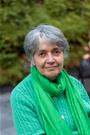
Josephine HayesCastle Baynard
-
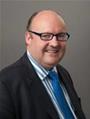
Christopher Michael Hayward, DeputyBroad Street
-

Jaspreet Hodgson, DeputyVintry
-

Stephen HodgsonVintry
-

Adam Michael HoggCripplegate
-

Ann Holmes, DeputyFarringdon Within
-

Amy HorscroftCordwainer
-

Robert Picton Seymour Howard (Alderman)Cornhill
-

Robert Charles Hughes-Penney (Alderman & Sheriff)Cheap
Alderman and Sheriff
-

Gregory Jones KC (Alderman)Farringdon Without
Alderman
-

Shravan Jashvantrai Joshi, MBEBishopsgate
-

Vincent Keaveny CBE (Alderman)Farringdon Within
Alderman
-

Florence Keelson-AnfuFarringdon Within
-

Philip KelvinColeman Street
-

Alastair John Naisbitt King DL (Alderman)Queenhithe
Alderman
-

Elizabeth Anne King, BEM JP (Alderwoman)Cripplegate
-
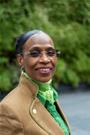
Helen LadeleCastle Baynard
-

The Rt Hon. The Lady Mayor, Dame Susan Langley, DBE (Alderwoman)Aldgate
Alderwoman
-

Gregory Alfred LawrenceFarringdon Without
-
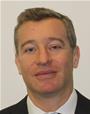
Tim Levene (Alderman)Bridge and Bridge Without
Alderman
-
Charles Edward Lord, OBE JPFarringdon Without
-

Sir Nicholas Stephen Leland Lyons (Alderman)Tower
-
Professor Michael Raymond Mainelli (Alderman)Broad Street
Alderman
-

Christopher Makin (Alderman)Aldersgate
Alderman
-

Antony Geoffrey ManchesterBroad Street
-
Vasiliki MantaCastle Baynard
-

Tessa MarchingtonCornhill
-

Paul Nicholas Martinelli, DeputyFarringdon Without
-

Bronek Masojada (Alderman)Billingsgate
Alderman
-

Tim McNallyAldgate
-
Wendy Mead OBEFarringdon Without
-
Andrien Gereith Dominic Meyers, DeputyAldgate
-

Sophia MooneyQueenhithe
-

Alastair Michael Moss, DeputyCheap
-

Benjamin Daniel Murphy, DeputyBishopsgate
-

Jennette Rachel Newman (Alderwoman)Walbrook
Alderwoman
-

Deborah Oliver TD, DeputyAldersgate
-

Suzanne Ornsby KCFarringdon Without
-
Leyla OstovarCastle Baynard
-

Sir Andrew Charles Parmley, (Alderman)Vintry
-

Fraser Stuart PeckFarringdon Within
-

Chief Commoner James Henry George Pollard, DeputyDowgate
-

Jason Paul PritchardPortsoken
-
Simon Pryke (Alderman)Langbourn
-
Nighat Qureishi, DeputyBillingsgate
-

Anett RidegAldersgate
-

Gaby RobertshawCripplegate
-

Sir William Anthony Bowater Russell (Alderman)Bread Street
Alderman
-

David SalesAldgate
-

Sushil Kumar SalujaColeman Street
-
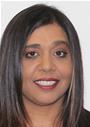
Ruby SayedFarringdon Without
-
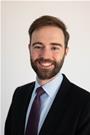
Hugh SelkaBridge and Bridge Without
-

Oliver Sells KC, DeputyFarringdon Without
-

Dr Giles Robert Evelyn Shilson OBEBread Street
-

Alethea SilkWalbrook
-

Tom Sleigh, DeputyBishopsgate
-

Sir Michael Snyder, DeputyCordwainer
-

Naresh Hari SonparAldersgate
-

James St John DavisCandlewick
-

Stephanie SteedenCastle Baynard
-

Mandeep ThandiAldgate
-

Stuart Peter James ThompsonFarringdon Without
-

James Michael Douglas Thomson CBE, DeputyWalbrook
-

James Richard TumbridgeTower
-

William Upton KCFarringdon Without
-

Matthew WatersLangbourn
-

Mark Raymond Peter Henry Delano WheatleyDowgate
-

Ceri Wilkins, DeputyCripplegate
-

David WilliamsFarringdon Within
-

Philip WoodhouseLangbourn
-

Dawn Linsey Wright, DeputyColeman Street
-

Irem YerdelenLime Street
-

Kawsar Zaman (Alderman)Bishopsgate
Labour
-

Anne Corbett, DeputyCripplegate
Labour
-

Helen Lesley Fentimen OBE JP, DeputyAldersgate
Labour
-

Sarah Helen GillinsonCripplegate
Labour
-
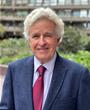
Steve Goodman OBEAldersgate
Labour
-

Mercy HaggertyCripplegate
Labour
-

Sandra JennerAldersgate
Labour
-
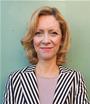
Jacqueline Roberts WebsterCripplegate
Labour